In under a year, a large industrial manufacturing organization significantly improved margin performance, reduced operational cost, and strengthened its competitive position. The transformation focused on redesigning core operational workflows, integrating fragmented systems, enabling real-time decision-making, and upgrading workforce capability allowing leadership to move from reactive firefighting to proactive performance management.



The Challenge
The organization operated at global scale, with complex production networks and capital-intensive assets. While demand remained strong, profitability was under pressure.
Key challenges included:
Rising production and logistics costs
Fragmented planning across plants and functions
Limited real-time visibility into operations
Aging workforce and critical skills gaps
Legacy ERP systems slowing decisions and execution
High cost of unplanned downtime
Strategic intent was clear, but execution remained inconsistent across the organization.

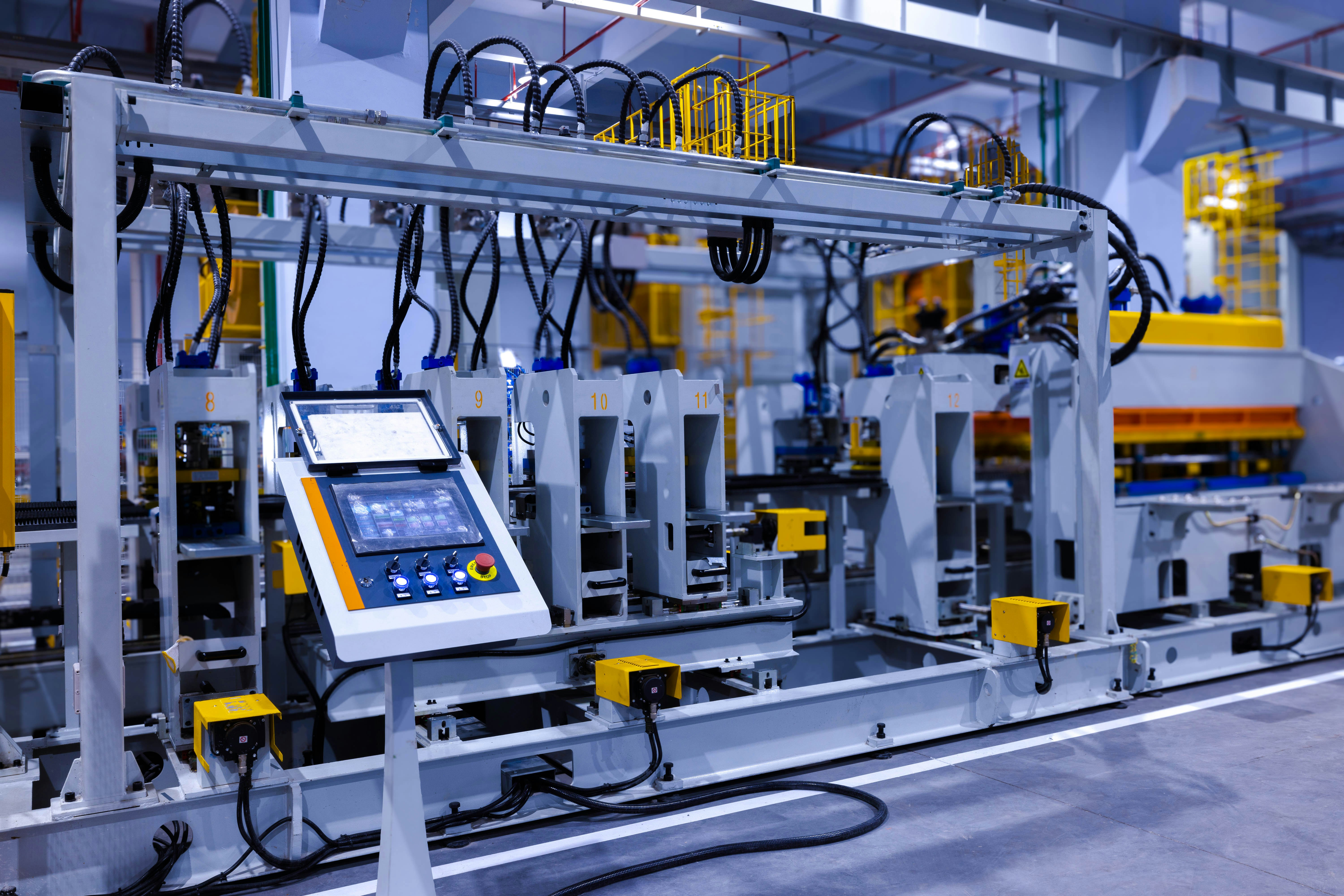
The thco Approach
thco was engaged to strengthen execution across the value chain combining senior operational expertise, proprietary technological systems, workforce transformation, and embedded execution support.
1. Operational Diagnostic & Value Prioritization (Advisory)
Thco conducted a rapid, data-driven diagnostic across production planning, maintenance, supply chain coordination, and back-office operations to identify:
Margin leakage
Bottlenecks and downtime drivers
System integration gaps
Workforce capability risks
This resulted in a prioritized execution roadmap focused on measurable financial and operational impact.
2. Integrated Operations & Data Enablement (Technology)
Thco redesigned operational workflows and integrated data across production, maintenance, and supply chain systems.
Key initiatives included:
Unified production planning and scheduling
Predictive maintenance and downtime analytics
Integrated data flows replacing manual reporting
Real-time performance dashboards for plant and executive leadership
This shifted operations from reactive response to predictive control.
3. Workforce Reskilling & Adoption (Academy)
To ensure sustained impact, Thco delivered targeted workforce programs focused on:
Digital operations and data literacy
Ownership of redesigned workflows
Performance accountability at plant level
Human-in-the-loop governance for automated systems
This ensured new systems were used consistently across sites.
4. Embedded Execution & Shared Services (Operate)
Thco assumed responsibility for selected shared services and operational support functions, applying standardized processes and continuous optimization.
This reduced cost variability and stabilized performance across the enterprise.


The result
Within eight months, the organization achieved measurable improvements across financial, operational, and competitive metrics.
Margin & Revenue Impact
14% increase in operating margin through cost reduction and productivity gains
Improved pricing discipline enabled by better demand and production visibility
Cost Reduction
31% reduction in operational costs across targeted functions
25% reduction in maintenance spend through predictive interventions
Market Share & Brand Positioning
9% increase in market share in priority product categories
Improved reputation for reliability and delivery performance with key customers
Operational Efficiency
48% reduction in unplanned downtime
60% improvement in production planning accuracy
Faster decision cycles across plants and central operations
Clear accountability embedded across operational workflows
Why This Worked
This engagement succeeded because Thco treated execution as a system, not a project.
Strategy, technology, people, and operations were addressed together
Intelligent Systems Enhanced Precision, Not Autonomy
Workforce capability was upgraded alongside systems
Execution discipline was embedded, not delegated
The result was a more resilient, higher-performing operating model.